More energy per panel
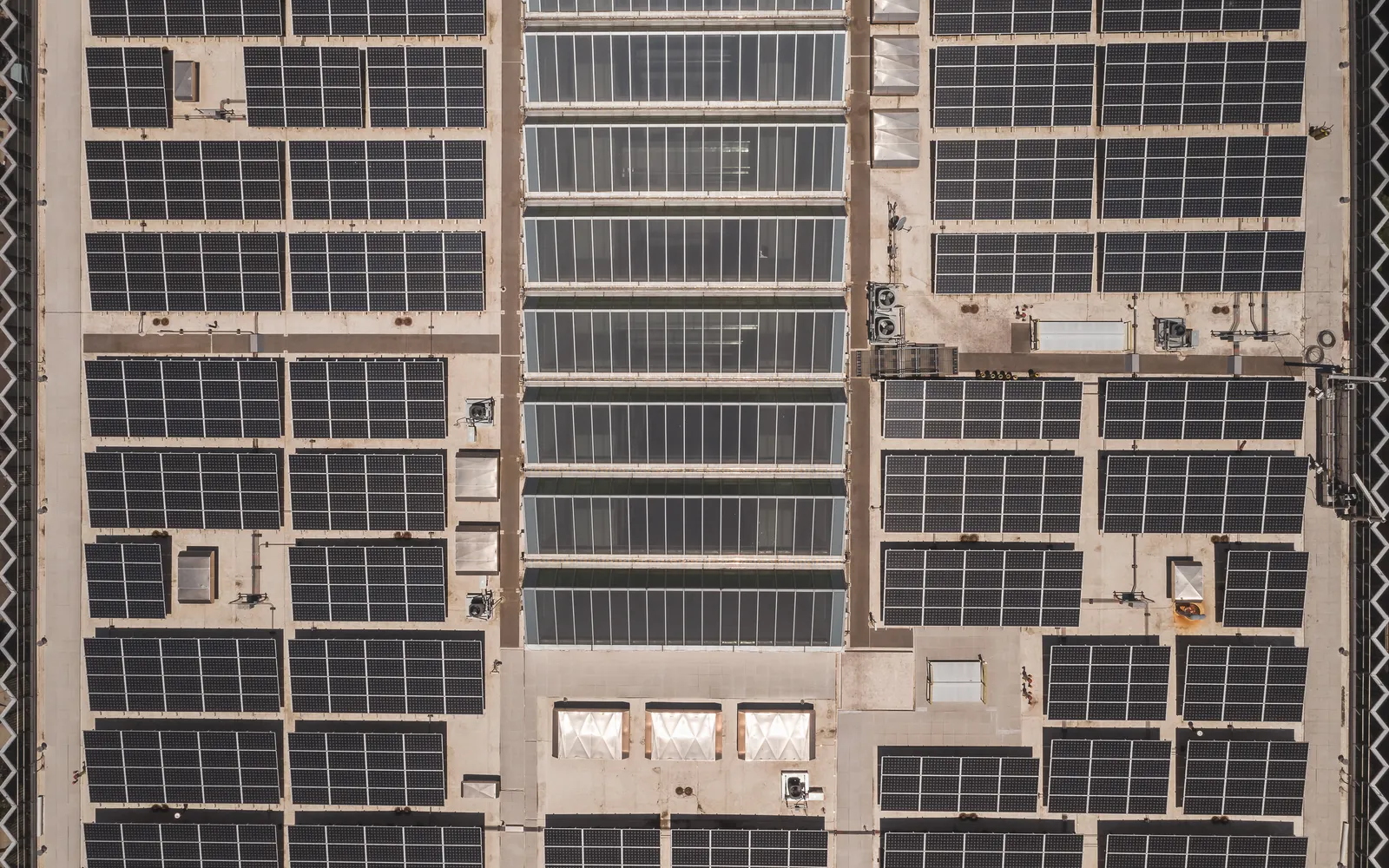
Every panel faces south and gives maximum generation, but the rows need spacing to avoid shade.
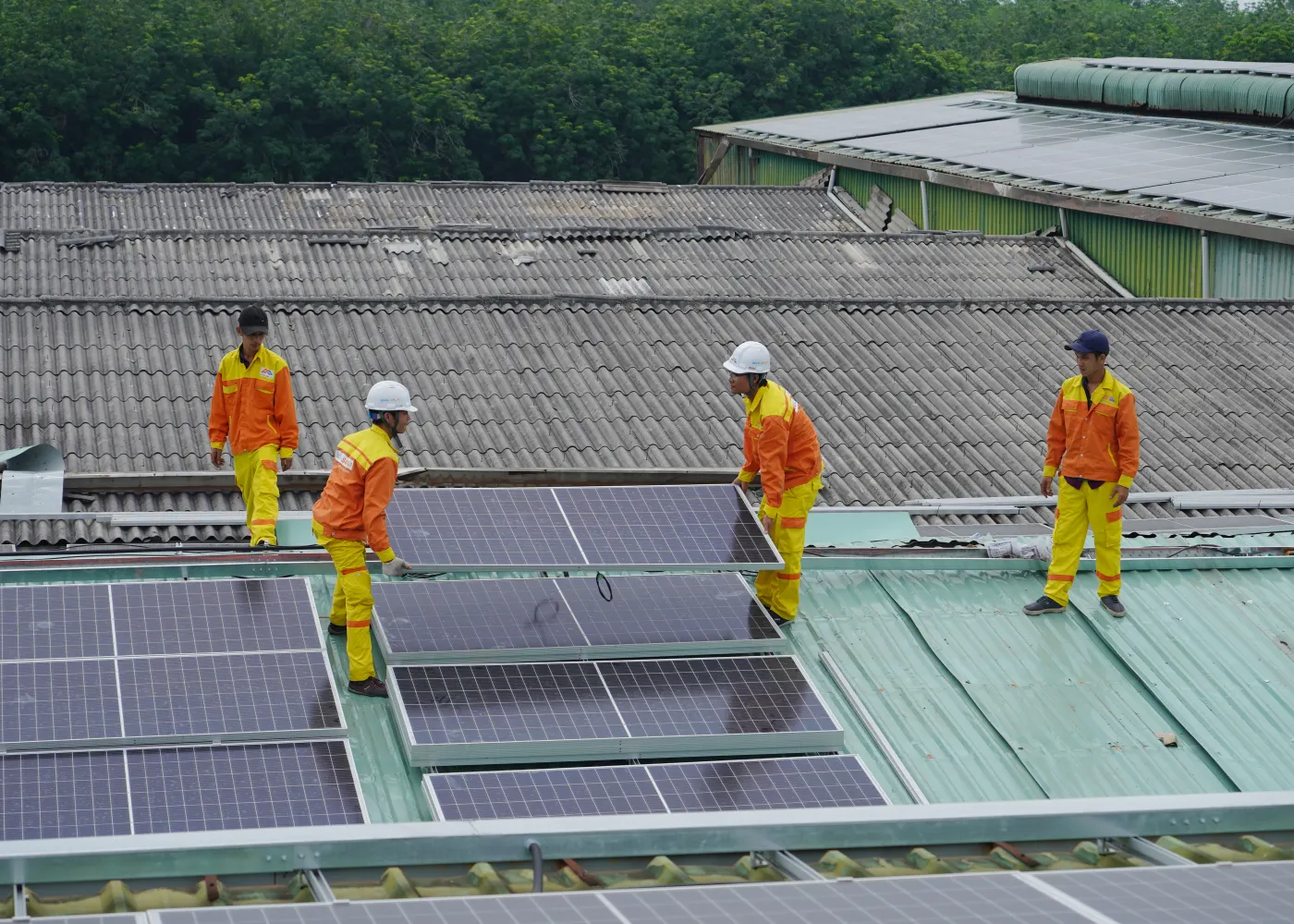
On a flat roof the frame sets the tilt angle, and we space the rows so that they do not shade one another. Often the station can be installed without piercing the roofing at all.
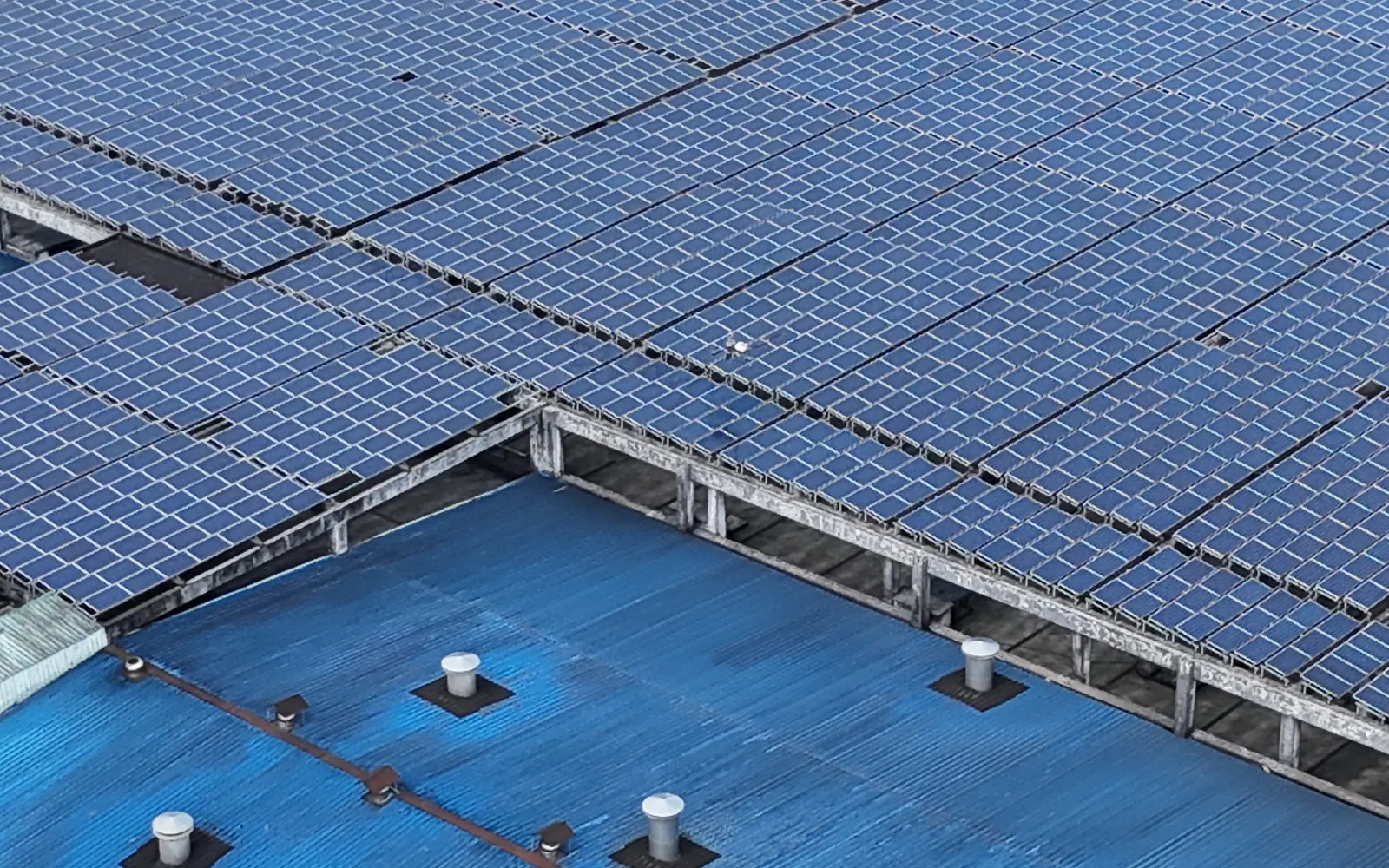
Two main ways to arrange the rows. The choice depends on the roof area, your consumption pattern and wind load.
Every panel faces south and gives maximum generation, but the rows need spacing to avoid shade.
The rows stand in a “roof” pattern with almost no gaps. Generation is more even in the morning and evening, and the structure catches less wind.
Ballasted frames hold by their own weight and do not pierce the roofing. Anchoring is for roofs with a weight limit.
We make the final decision after inspecting the roofing and assessing the load-bearing capacity of the slab.
| Roofing | How we fix it | Feature |
|---|---|---|
| PVC or TPO membrane | Ballasted frames on protective pads that do not damage the membrane. | no piercing |
| Torch-applied bitumen roofing | Ballast or anchors with joints sealed using a material compatible with the roofing. | your choice |
| Concrete slab | Frames anchored to the slab, or ballast blocks. | rigid fixing |
| Low-slope profiled sheet | Fixing to the sheet and purlins, with panels parallel to the roof or on low frames. | minimal weight |
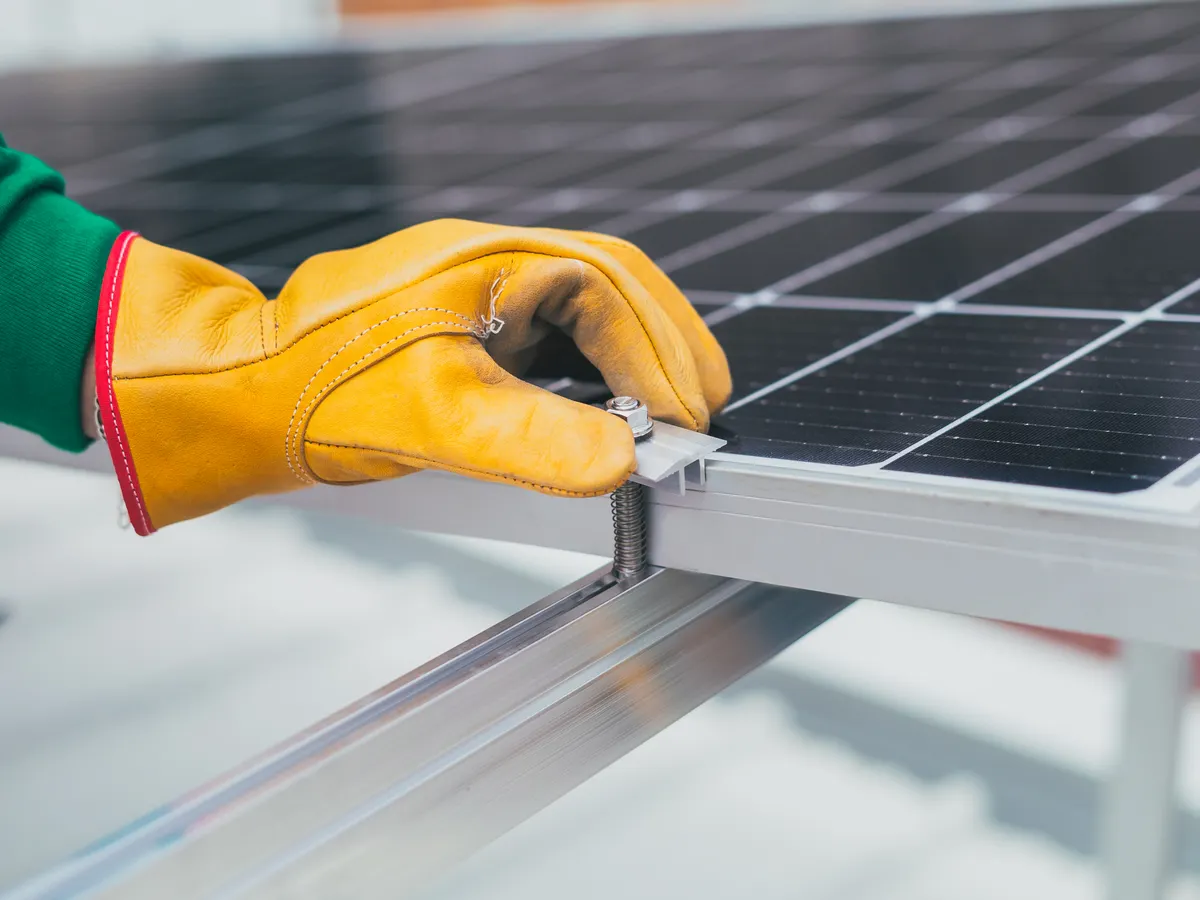
The calculator shows how many panels fit with the “south” and “east–west” layouts.